

Two lamps can have nearly the same warm walnut look and be made from entirely different materials. One might have a genuine walnut frame. Another could feature real wood veneer. A third might get its rich brown grain from a carefully finished resin surface.
In product photos, all three can look convincing. But what you're actually buying may be quite different. That's why terms like walnut color, walnut finish, and solid walnut are worth paying attention to. They may describe a similar appearance, but they don't necessarily describe the same material.
Using three lighting designs from Mooijane, we'll look at how to recognize those differences, what they mean in everyday use, and how to read a product description before buying.
01. Walnut Color vs. Walnut Wood: What's the Difference?
Walnut is known for its warm brown tones and distinctive natural grain. It's a popular choice in furniture and lighting because it pairs beautifully with neutral fabrics, stone, and both traditional and modern interiors. But seeing that familiar color doesn't mean you're looking at actual walnut wood.
Here are four common terms you'll encounter when shopping for wood-inspired lighting.
Solid walnut
DESCRIBES MATERIALThe specified component is made from genuine walnut wood. The natural grain runs through the wood itself rather than existing only as a decorative surface.
This description may apply to just one part of a lamp. A solid walnut frame doesn't mean the shade, hardware, or entire fixture is made from walnut.
Walnut veneer
DESCRIBES MATERIALA thin layer of genuine walnut wood applied over a supporting material. The visible grain is real walnut, but the piece is not solid walnut throughout.
Veneer isn't the same as a printed imitation. It's real wood used as a surface layer, often as part of a layered construction.
Walnut finish, walnut color
DESCRIBES APPEARANCEThese terms describe appearance, not necessarily material. A walnut-colored finish can be applied to genuine wood or another material; the surface may resemble walnut without containing any walnut wood.
If a product only says walnut finish, check the material specifications before drawing conclusions.
Imitation walnut wood grain
DESCRIBES APPEARANCEA decorative surface designed to resemble walnut. Depending on the product, the underlying material might be resin, metal, or another manufactured material.
The grain appearance comes from the finish rather than the natural structure of walnut wood.
The easiest rule to remember: read the material and finish descriptions separately. One identifies what the component is made from; the other describes how its surface looks.

02. Three Lamps, Three Different Material Stories
To see why this matters, let's look at three Mooijane lighting designs. Each brings warmth and wood character into a space, but the materials behind that appearance are different.
Kateo Ceiling Light — A Genuine Solid Walnut Frame
The Kateo Ceiling Light is an example of a lighting fixture that incorporates actual walnut wood. Its design pairs a solid walnut frame with a softly patterned fabric shade and metal components, creating a warm, vintage-inspired silhouette.
The important detail here is the frame. Because it's made from genuine walnut, its grain and tonal variation come from natural wood rather than a printed or simulated pattern. That means individual frames may show subtle differences in grain direction and color. These variations are part of the material's natural character.
But there's another distinction worth understanding. Kateo has a solid walnut frame. It is not an entirely solid walnut ceiling light. Its fabric shade, integrated lighting components, and metal hardware are made from other materials. This is common in mixed-material lighting designs, where different components serve different structural and visual purposes.

Clburl Burl Wood Table Lamp — Natural Burl Wood Veneer, Distinctive Grain
The Clburl Burl Wood Table Lamp introduces another kind of wood character. Its faceted base and angular shade create a geometric silhouette, with natural burl wood veneer across the visible surfaces.
Burl wood is admired for its distinctive swirls, knots, and irregular grain patterns. These natural variations give each piece its own character and make the veneer an important part of Clburl's design.
Unlike a printed wood-grain effect, genuine burl veneer displays the natural figuring of real wood. Combined with the lamp's faceted silhouette, it brings warmth, texture, and visual depth to the geometric form.

Olivier Table Lamp — Walnut Appearance, Resin Construction
The Olivier Table Lamp takes a different approach. At first glance, its flowing S-shaped base has the warmth and visual character of carved walnut. But the base is actually made from high-density resin with an imitation walnut wood-grain finish. Its curved form gives the lamp a sculptural presence, while the wood-look surface complements the textured off-white linen shade.
Here, the walnut effect comes from the finish rather than the underlying material. Resin can be molded into continuous, expressive curves, which makes it suitable for this type of sculptural design. That doesn't mean the finished lamp should be treated like natural wood. Its surface texture, coatings, and care requirements may differ from those of a genuine walnut lamp.

What These Three Lamps Tell Us
Kateo, Clburl, and Olivier demonstrate three different approaches:
The differences aren't always obvious in a photograph.
That's why identifying the actual material is just as important as choosing the color you love.
03. What Changes When You Bring the Lamp Home?
The differences between solid wood, veneer, and wood-look resin aren't limited to product descriptions. They can also affect what you see, how you care for the lamp, and what you should expect over time.
Natural Grain Won't Always Look Identical
With genuine solid wood and natural veneer, grain patterns come from the wood itself. That means two pieces made from the same species may not look exactly alike. One might show darker streaks, while another has a more even tone or a different grain direction. For someone who appreciates natural materials, those differences can be part of the appeal.
A wood-grain resin finish is created differently. Its appearance depends on the decorative finishing process. Depending on how it's manufactured, the pattern may be more consistent from one piece to another.
What to expect: If you're buying genuine wood, allow for natural variation. If you're buying a wood-look finish, focus on the finish quality and the appearance shown in the product details.

Cleaning Depends on the Surface Finish
It's tempting to assume that every wooden lamp should be cared for in the same way. But a solid wood frame may have a protective coating, while a veneer surface can have its own finish and construction. A resin lamp with imitation wood grain also needs care appropriate to its surface treatment.
For many finished decorative surfaces, gentle dusting with a soft, dry cloth is a reasonable starting point. However, you shouldn't automatically apply furniture oil to every wood surface or assume that a resin finish can tolerate any household cleaner. Avoid prolonged moisture exposure or harsh cleaning products unless the manufacturer's instructions specifically permit them.
What to check: Look for the recommended cleaning method and any restrictions related to moisture, chemicals, or surface treatments.

Material Alone Doesn't Guarantee Durability
Another common assumption is that solid wood is always more durable than veneer or resin. In practice, durability depends on more than the material name. Construction quality, protective coatings, thickness, assembly, and everyday handling all play a role.
A well-made veneered surface can offer lasting visual appeal. A resin fixture can support shapes that would require a different manufacturing approach in solid wood. At the same time, neither material is automatically resistant to scratches, chips, heat, or moisture. Rather than relying on broad claims about durability, look for product-specific information about construction and maintenance. For lighting, it's also worth considering the other components, including the shade, fittings, and light source.
The practical point: Know what each part is made from, and care for the finished fixture according to its actual construction.
04. Five Things to Check Before Buying a Walnut-Look Lamp
You don't need to become a wood expert to make a more informed purchase. A few details on the product page can tell you whether a lamp matches what you're expecting.
What Is the Actual Material?
Start with the product's Material section. Does it list walnut wood, another type of wood, resin, metal, or a combination? If the title says walnut color but the material lists resin, you're looking at a walnut-inspired appearance rather than a walnut wood component. Olivier is a clear example: its specifications identify resin and fabric, while the body color is described as imitation walnut wood grain.
Buying tip: Don't treat the color name as proof of material.
Which Part of the Lamp Uses That Material?
A lamp is rarely made from just one material. It may have a wooden frame, metal fittings, a fabric shade, and an integrated light source. Kateo's solid walnut frame is a good example: the walnut is genuine, but it applies specifically to the frame. If a particular material matters to you, check whether it's used in the base, frame, shade, or another component.
Buying tip: Look for descriptions that identify both the material and the part where it's used.
Is the Wood Species Clearly Identified?
If you're specifically shopping for walnut rather than simply a warm brown wood appearance, look for material descriptions that clearly identify the wood species. Terms such as natural wood, wood veneer, and burl wood describe different aspects of a material, while solid walnut and genuine walnut veneer identify walnut specifically. Understanding the distinction helps you choose a lamp based on the qualities that matter most to you.
Buying tip: Real wood and real walnut are not interchangeable descriptions.
Is the Grain Natural or Decorative?
Look closely at the wording. Natural wood grain and genuine wood veneer generally describe the visible character of real wood. Wood-look, imitation walnut, and wood-grain finish describe a surface appearance and don't establish that real walnut is present. Product photos can help you assess whether you like the pattern, color, and texture. But they can't reliably reveal the underlying material on their own.
Buying tip: Use photos to judge appearance and specifications to confirm construction.
What Are the Care Requirements?
Before ordering, consider how the lamp will be used. Will it sit on a frequently used bedside table? Is it likely to be moved or handled often? Will it be placed in a room where humidity or cleaning products may be a concern? Check for any available guidance on surface cleaning, moisture, and maintenance. If the product description doesn't explain how a particular finish should be cared for, request that information rather than relying on assumptions about wood or resin.
Buying tip: The finish and protective coating often matter as much as the material underneath.
05. Which Material Should You Choose?
The best choice depends on what attracted you to the design in the first place.
These aren't simply three quality levels of the same material. They're three different constructions, each offering a different combination of visual character, form, and material experience. The important thing is to match the product's actual construction with what you want from it.
Choose genuine walnut when the wood itself matters to you. Choose genuine veneer when you're drawn to natural wood patterns and layered construction. Choose a wood-look finish when the appearance and shape are what you value most.
And if you're unsure, confirm the material before you buy.
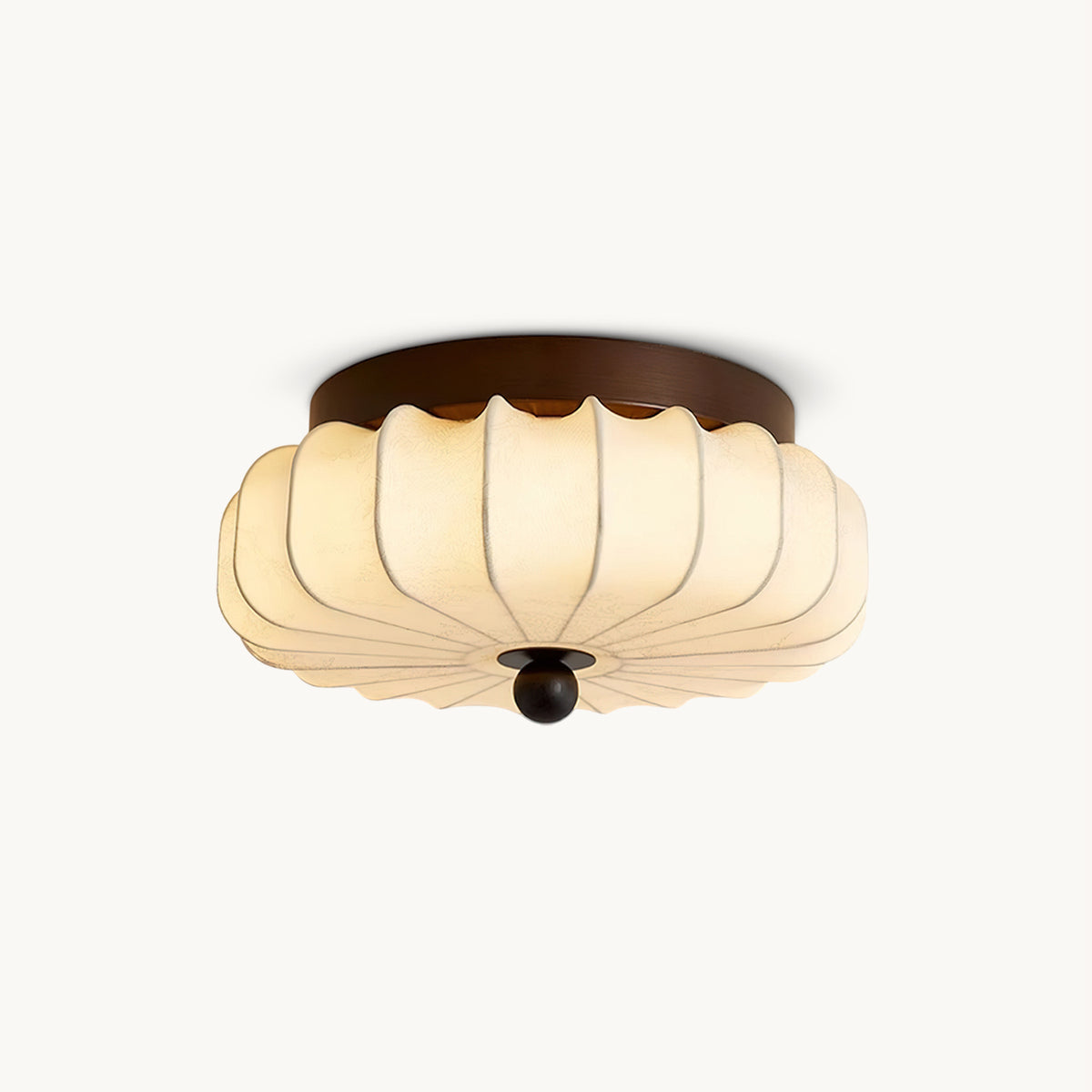
Kateo Ceiling Light
Warm walnut-toned frame with a softly pleated fabric shade and dark metal detail. Vintage-inspired, quietly rich.
Is it walnut? Turn it over →Kateo Ceiling Light
The wood itself matters to you and you want a clearly identified walnut component.

Clburl Burl Wood Table Lamp
Faceted base and angular shade wrapped in swirling, knotted burl figure. Rich brown, unmistakably wood.
See the real material →Clburl Burl Wood Table Lamp
You love expressive natural burl grain and a sculptural geometric silhouette.

Olivier Table Lamp
A flowing S-curve base with the depth and warmth of carved walnut, under a textured off-white linen shade.
Is it walnut? Turn it over →Olivier Table Lamp
The warm walnut look and the flowing shape are what you value most, and the material underneath is less important.
A closer look at the materials, finishes, and distinctive design details behind each lamp.
Know the Material. Choose the Design You Love.
A warm walnut finish can make a lamp feel inviting, but it doesn't tell you everything about what's beneath the surface. That familiar brown color might come from solid walnut, genuine veneer, or a decorative finish applied to an entirely different material. Knowing the difference helps you shop with clearer expectations.
The next time a walnut-colored lamp catches your eye, take a second look at the material specifications. Ask what the lamp is actually made from, which components contain real wood, and whether the wood species is identified. You'll be better prepared to choose a piece for both its appearance and its construction.
Because appreciating good design begins with understanding what you're bringing home.
Looking for a lighting piece that complements your home? Explore Mooijane's collection and enjoy 20% off sitewide.
MOOIJANEBF20Offer ends December 5, 2026, at 11:59 PM ET.
Explore Mooijane's Lighting Collections